
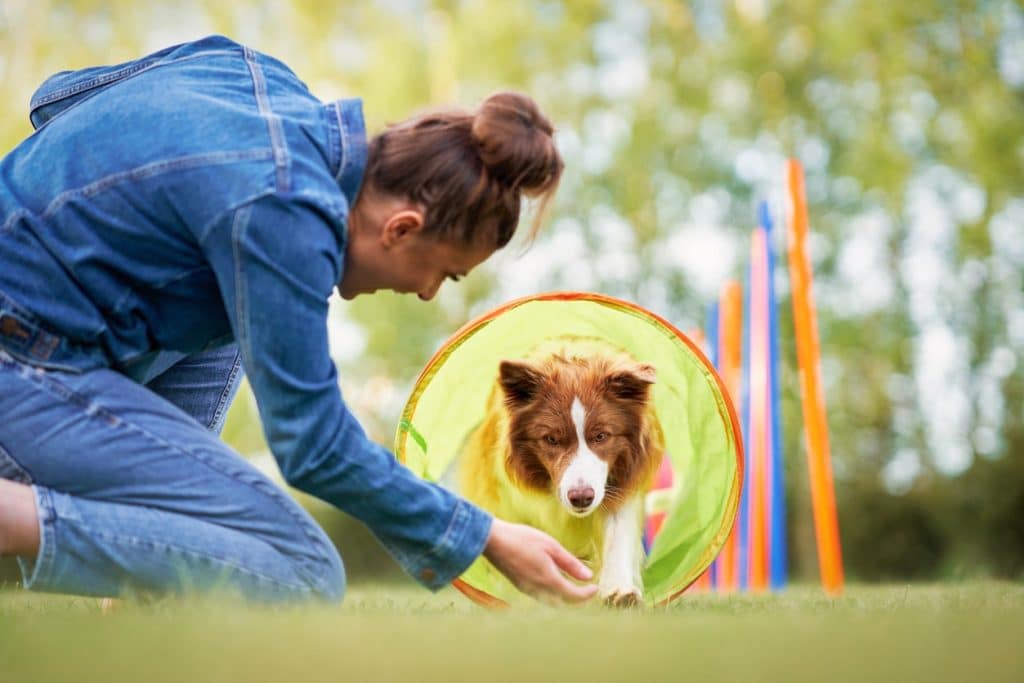
Agility training is a dynamic and rewarding activity that strengthens the bond between you and your dog while improving their physical fitness and obedience. If you’re new to this sport, beginner agility training is the best way to introduce your dog to the exciting world of obstacle courses safely and confidently. This sport not only challenges your dog’s mind and body but also encourages clear communication and teamwork between you both. At Rob’s Dog Training in Phoenix, AZ, we specialize in guiding owners and dogs through foundational agility skills that build trust, focus, and enjoyment.
In this guide, we’ll walk you through the basics of beginner agility training, including essential techniques, equipment tips, common challenges, and ways to keep training sessions fun and effective. Whether you have a young puppy or an adult dog, this beginner-friendly approach will set you up for success.
What Is Beginner Agility Training?
Beginner agility training involves teaching your dog how to navigate a course made up of various obstacles designed to test their speed, coordination, and teamwork with you. Unlike advanced agility, beginners focus on familiarizing the dog with the equipment, developing clear communication, and reinforcing basic obedience commands.
Common obstacles for beginners include:
- Low jumps
- Tunnels
- Pause tables
- Weave poles (starting with fewer and wider poles)
- Low-contact obstacles like the dog walk and A-frame
Training these elements develops your dog’s body awareness, impulse control, and responsiveness while enhancing your handling skills.
Why Start With Beginner Agility Training?
Starting with a beginner approach is essential to build your dog’s confidence and avoid injury. It also teaches you, the handler, how to communicate clearly and efficiently.
Key benefits include:
- Confidence building: New or shy dogs learn to trust and explore safely.
- Improved obedience: Agility requires focused attention and precise commands.
- Better fitness: Agility promotes strength, balance, and endurance.
- Enhanced bond: Training strengthens teamwork and trust.
- Preparation for competition: A structured foundation is vital if you aim to compete later.
Essential Equipment for Beginner Agility Training
You don’t need a full professional setup to begin training. Many affordable and easy-to-use equipment options can help you create a beginner course at home or in the park:
- Low jumps: Adjustable bars or PVC pipe jumps for safe height management.
- Tunnels: Lightweight, collapsible tunnels encourage exploration.
- Weave poles: Start with 4–6 poles spaced wider apart.
- Pause table: A sturdy platform for teaching your dog to stop and wait.
- DIY obstacles: Household items like cones, boxes, or chairs can substitute for formal equipment.
This simple setup allows you to create varied courses while your dog gets comfortable with each obstacle.
Step-by-Step Beginner Agility Training Techniques
1. Master Basic Obedience Commands First
Before you introduce obstacles, your dog should respond reliably to core commands:
- Sit
- Stay
- Come
- Heel
Strong obedience is the foundation of smooth and safe agility training.
2. Introduce Obstacles One at a Time
Familiarize your dog with each obstacle gradually:
- Jumps: Use treats and encouragement to guide your dog over low bars.
- Tunnel: Motivate your dog with toys or treats to run through the tunnel.
- Weave poles: Guide your dog slowly through poles using hand signals or a leash.
- Pause table: Reward calm sitting or standing on the platform.
Keep training sessions short (5–10 minutes) and always end on a positive note.
3. Use Positive Reinforcement
Reward your dog consistently with treats, praise, and play. Positive reinforcement builds enthusiasm and motivation.
4. Teach Clear Handler Cues
Use consistent verbal commands and hand signals for each obstacle. This clarity helps your dog anticipate what’s next.
5. Combine Obstacles Into Simple Sequences
Once your dog is comfortable individually, link two or more obstacles to improve focus and flow.
6. Monitor Your Dog’s Well-being
Watch for signs of fatigue or discomfort. Avoid high jumps or overexertion, especially for young, small, or older dogs.
Common Challenges in Beginner Agility Training and How to Overcome Them
Hesitation or Fear of Obstacles
- Break obstacles into smaller, manageable steps.
- Use high-value treats and allow your dog to explore freely.
- Be patient and encouraging without rushing.
Lack of Focus or Distraction
- Train in a quiet, low-distraction environment initially.
- Keep sessions brief and engaging.
- Use clear, consistent cues and rewards.
Handler Timing and Coordination Issues
- Practice your own footwork and cues away from the dog.
- Watch training videos or take beginner classes for guidance.
Tips to Maximize Your Beginner Agility Training
- Consistency is vital: Regular short sessions are better than occasional long ones.
- Change the course layout: Vary obstacle order and spacing to keep your dog mentally engaged.
- Join a local agility group or club: Socialization and expert feedback accelerate learning.
- Use clicker training: It helps mark precise behaviors for faster progress.
- Record your training sessions: Review videos to spot and improve handler timing or dog responses.
Why Choose Rob’s Dog Training for Beginner Agility?
At Rob’s Dog Training in Phoenix, AZ, we have extensive experience helping dogs and their owners develop beginner agility skills with a focus on safety and enjoyment. We tailor each training program to your dog’s personality, breed, age, and fitness level.
Our trainers rely on science-backed, positive reinforcement methods to ensure your dog gains confidence and has fun while learning. We offer:
- Private lessons and small group classes
- Customized training plans
- Guidance on home course setup and equipment
- Support for behavior and obedience alongside agility skills
To find out more about our beginner agility training programs, visit Rob’s Dog Training or contact us directly.
Begin Your Agility Training Journey Today
Agility training is a fulfilling activity that enhances your dog’s physical health, mental sharpness, and your shared bond. Starting with beginner agility training ensures a safe, enjoyable experience that prepares you both for future challenges and success.
Whether you train at home or with expert guidance from Rob’s Dog Training, the key ingredients are patience, consistency, and celebrating progress no matter how small.
Are you ready to get started? Contact Rob’s Dog Training today to explore beginner agility options tailored to your dog’s needs.