

I’ve been thinking about what you mentioned regarding stubborn silicone residue and how frustrating it can be in both professional settings and at home. Over my 15 years leading projects that often involved precise finishes—from construction sites to detailed home refurbishments—I’ve learned that removing silicone isn’t just about brute force or quick fixes. It’s about understanding the material, the surface, and the timing. The reality is, many approaches that sound promising online often fall short or cause more damage. Here’s what I’ve found to work best in the UK market, with some hard-learned lessons along the way.
Best Way to Remove Silicone to Choose
Removing silicone effectively requires the right technique matched to the situation. There’s no one-size-fits-all method because silicone bonds differently depending on the surface and how old or fresh it is. The bottom line is to pick a method that balances efficiency with care for the substrate underneath. Through trial and error, I’ve narrowed the choices down to five approaches that consistently deliver results.
Manual Scraping with a Razor Blade
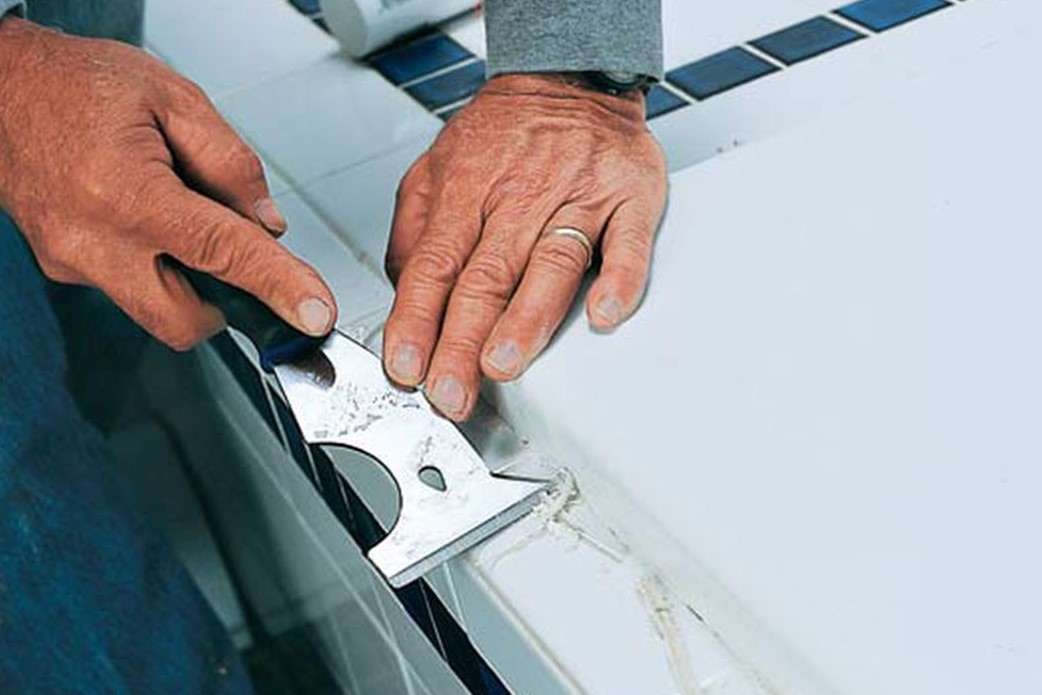
Manual scraping using a sharp razor blade or a specialist silicone scraper works well on flat, hard surfaces like glass or tiles. The key here is to be patient and gentle—rushing or applying too much pressure risks scratching or damaging the surface. What I’ve learned is to always hold the blade at a 30-45 degree angle and move slowly to shave off layers of silicone. If the silicone has cured, soften it first with a hair dryer to reduce brittleness. We once tackled a client’s bathroom redo where improper scraping led to shattered tiles—that was avoidable with proper technique.
Using Silicone Remover Chemical Solvents
Chemical silicone removers designed for the UK market dissolve cured silicone and make removal smoother. The process involves applying the solvent, waiting 15-30 minutes, then wiping or scraping off the softened residue. The reality is, these chemicals can be harsh and should be used with gloves and ventilation. Over-application can degrade certain plastics or painted surfaces, which we found the hard way on a recent office refurbishment. For most contractors, the balance is knowing when the chemical is necessary and when manual methods are enough.
Heat Application via Heat Gun or Hair Dryer
Heat loosens silicone’s grip by softening its rubber-like consistency. Using a heat gun or hairdryer on a low setting speeds up manual removal, especially in corners or rough edges. From a practical standpoint, the risk of overheating can warp or discolour certain materials, so it’s vital to test on a hidden area first. I remember a site where excessive heat caused warping on PVC window frames—we had to redo the entire frame removal, which cost time and money.
Using White Spirit or Mineral Spirits
White spirit or mineral spirits are a traditional approach for breaking down silicone residues. They work well on painted or metal surfaces but not on plastics or rubber. What I’ve seen is that white spirit is a handy tool for finishing touches after scraping, rather than a standalone remover. Its slower evaporation rate helps soften residues gradually, making final cleaning less abrasive. We used this method extensively in furniture restoration projects for a delicate finish.
Mechanical Abrasion Tools
For industrial or heavy silicone deposits, mechanical tools like sanding pads, wire brushes, or oscillating tools with scrub attachments come into play. These require a skilled hand to avoid damage. The lesson here is purely about understanding when the quick route isn’t worth the collateral damage. On one job with stubborn silicone on concrete, mechanical abrasion cut time by 50% but also chipped nearby surfaces, prompting us to change tactics next time and include protective masking.
Conclusion
The best way to remove silicone to choose depends on the context—surface type, silicone age, and available tools. Over 15 years, I’ve seen that mixing methods often works best: soften with heat or chemicals, then scrape carefully, finishing with a solvent if needed. The reality is, patience and respect for the surface pay dividends. Look, the bottom line is that rushing or guessing leads to costly mistakes or poor finishes. Invest time upfront to choose the right approach, and you’ll avoid headaches and rework.
Best Way to Remove Silicone to Choose – FAQs
What is the safest method to remove silicone from tiles?
Manual scraping with a razor blade combined with gentle heat application works best to avoid damage.
Can chemical removers damage surfaces?
Yes, overuse or strong chemicals can degrade paint or plastics, so use cautiously with proper ventilation.
How long does silicone remover solvent take to work?
Typically between 15 to 30 minutes to soften the silicone for easier removal.
Is heat effective for all types of silicone?
Heat helps soften most silicones but can damage heat-sensitive materials like PVC or painted surfaces.
Can white spirit dissolve silicone on plastic surfaces?
No, white spirit is unsafe on plastics and mainly suits painted or metal surfaces.
What protective gear is needed when using chemical removers?
Gloves and eye protection are essential, as well as working in a well-ventilated area.